What is feminism and why is it important?

Feminism, at its core, is the belief and advocacy for the social, economic, and political equality of all genders. Championing feminism is crucial because gender inequality is a deep-rooted injustice. It disproportionately affects girls and young women globally, hindering their potential and fuelling discrimination and violence.
What is feminism?
Feminism is the belief that all genders deserve equal rights and freedoms. It challenges systems and norms that create inequality. Like patriarchy, discrimination, and stereotypes. It also addresses unequal access to education, work, and political power. Feminism works to ensure everyone can participate in society. Without being labelled or limited by gender.
The core ideals of feminism
The core ideals of feminism include:
Equality. Ensuring all genders have the same rights, opportunities, and freedoms.
Justice. Challenging discrimination and violence. Rallying against unfair treatment based on gender.
Autonomy. Supporting people's rights to choose about their bodies, jobs, and lives.
Challenging gender stereotypes. Questioning norms that restrict how people act or what they can do.
Inclusive representation. Ensuring diverse voices and experiences are heard. In decision-making, media, and public life.
Together, these ideals aim to create a society where gender does not determine a person’s value, safety, or potential.
The importance of feminism
Feminism matters because it aims to address and fix gender-based inequalities. It challenges discrimination, gender-based violence, and unequal pay. It opposes unfair expectations that limit opportunities for women, men, girls, boys, and non-binary people. Feminism supports equal rights, fair representation, and the freedom to choose. This helps create a fairer, safer, and more inclusive society. In such a world, everyone can reach their full potential, free from harmful norms.
The importance of feminism for children and girls
Feminism is important for children and girls. It helps them have equal opportunities, feel safe, and build confidence. It breaks stereotypes that limit girls' dreams. And conventions that pressure boys to be tough, unemotional, or stuck in certain roles.
Feminism also promotes body autonomy. It teaches respect and consent. It helps create spaces where girls are valued for their skills, not their looks. It gives boys room to explore "non-traditional" interests without being judged. Like art, baking, or ballet.
By tackling gender inequality early, feminism helps build healthier self-esteem. It allows broader choices and a future where girls can reach their full potential.
Education access and equality
Education is one of feminism’s core tools for empowerment. Because access to education boosts economic independence. It strengthens political participation, like voting. It also builds confidence and leadership skills.
Feminism fights for access to education and equality for everyone. It tackles the social, cultural, and institutional barriers that have held women and girls back for so long.
It challenges norms that keep girls from studying subjects like science and maths. Feminists also push against limits on further education and leadership roles.
Feminist movements have fought for laws that let girls attend school without discrimination. For example, calling for an end to pregnancy-based discrimination in schools. They have also addressed inequalities in school systems. This includes textbooks and curricula that are biased by gender, along with unequal funding.
Combating child marriage and gender-based violence
Feminism helps combat child marriage and gender-based violence. It challenges the power imbalances and gender norms that allow these abuses to persist. It promotes girls’ rights to education, control over their bodies, and freedom in relationships. It also shows how early marriage and violence are tools to control girls and women and uphold inequality.
Feminist activism drives legal reforms and urges governments to enforce protections. It also backs community programmes that empower girls and educate boys, men, and families. By addressing harmful cultural beliefs and systems, feminism seeks to create safer spaces. It strengthens support networks so girls and women can live free from coercion and violence.
Building confidence and leadership in girls
Feminism helps girls gain confidence. It does this by challenging stereotypes that say they aren’t good leaders. Feminist movements influence those in power to listen to girls and women to create spaces for them
It encourages girls to pursue education and take part in decision-making. It allows them to explore interests in fields traditionally dominated by men. Feminist programmes and mentorship initiatives offer role models. They also create safe spaces. In these spaces, girls can develop skills such as public speaking, problem-solving, and teamwork.
Feminism helps girls feel confident by recognising their voices and achievements. This helps them trust their abilities, take initiative, and embrace leadership roles. In turn, it fosters self-confidence and a sense of agency.
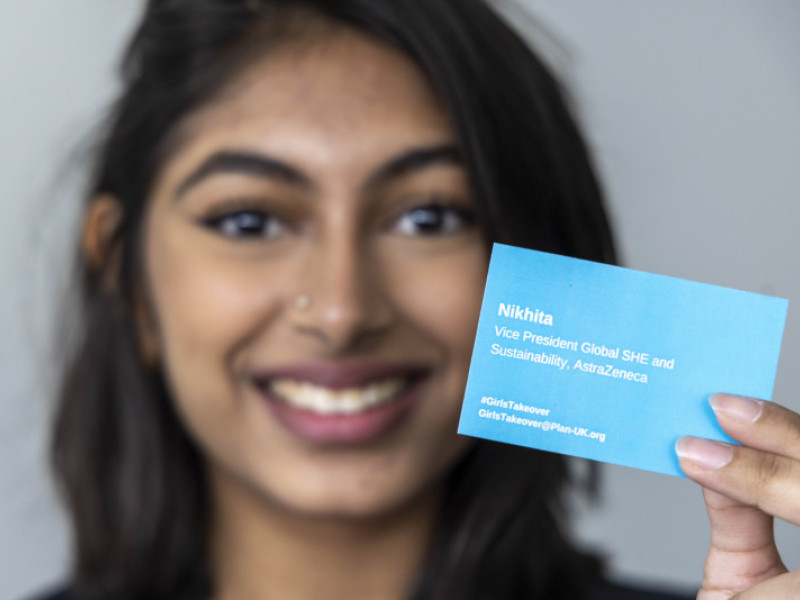
At Plan International UK, we celebrate the power of girls with our Girls Takeover programme. For International Day of the Girl, girls and young women take over leadership roles in business, politics, and media. They champion gender equality and better representation, and the potential of girls.
The ongoing need for feminism
Feminism has achieved significant legal and social advancements over the years. However, gender inequality still persists in many areas of life. And now it’s being pushed backwards, reversing fragile gains made in recent decades.
We are at a critical juncture. Anti-rights movements are better funded and more coordinated than ever before. The idea that equality has ‘gone too far’ is gaining ground, with misogyny spreading online. And girls are paying the price.
Below we explore why feminism is still needed in today’s world.
Inequality faced by women and girls
Feminism has advanced the rights of women and girls, but there's still more to do. Around the world, women and girls still face inequality.
Here are three examples of ongoing inequality faced by women and girls and how feminism addresses them:
Gender Pay Gap. Women still earn less than men for the same work in many countries. Feminism tackles this by pushing for equal pay laws and clear salary policies. Awareness campaigns also challenge workplace discrimination.
Underrepresentation in leadership. Women are still not well represented in politics and on corporate boards. This is also true for some STEM (science, technology, engineering and maths) fields. Feminism supports mentorship programmes, leadership training, and quotas or policies. These help ensure women have equal opportunities to lead and make decisions.
Gender-based violence. Gender-based violence affects many women and girls. They can face domestic violence and sexual harassment. Or harmful cultural practices, such as child marriage. Feminist movements push for stronger legal protections and support services. They also focus on public education and community programmes. These efforts help prevent violence by educating boys and men while empowering women and girls.
Unconscious gender bias
Feminism helps us grasp unconscious gender bias. It reveals the subtle stereotypes and cultural messages that shape how people see the world. Often without them knowing. Feminism shows how ideas about masculinity and femininity shape daily life. This includes media portrayals and workplace expectations.
It helps uncover hidden beliefs that affect decisions. Like hiring, leadership evaluation, and division of labour. It also emphasises intersectionality. It shows how gender bias interacts with race, class, disability, and other identities to create different experiences of inequality. Feminism offers the language and tools to spot, question, and lessen unconscious bias in society.
Violence against women and girls
Feminism is still needed to tackle violence against women and girls. This violence stems from unequal power and attitudes in society that let it persist. Many types of abuse are excused, ignored, or blamed on women and girls. This makes it harder for survivors to find help or get justice.
Feminism works to change these attitudes and improve laws and support systems. It holds abusers accountable. Without feminism, violence against women and girls often gets treated as a private issue. In reality, it is a serious social problem. This view makes it easier for such violence to continue.
The achievements and ongoing challenges of feminism
Feminism has undoubtedly achieved significant social, legal, and cultural progress toward gender equality. Key achievements include voting rights for women, the right to own property, to work and to get divorced. For girls it includes fewer being married as children, and more girls in education.
Advocacy by feminist movements has expanded access to education, scholarships and professional careers around the world. Progress has also been made toward equal pay, maternity leave, and anti-discrimination policies. This opens up leadership roles to women.
In many regions, feminism has secured access to contraception, family planning, safe abortion, and reproductive healthcare and education.
But despite these progressions, inequality still exists. These include pay, leadership opportunities, education, healthcare, and personal safety. Social norms and unconscious biases continue to limit women’s and girls’ choices. Gender-based violence, discrimination, and underrepresentation remain widespread globally.
Feminism also addresses the evolving challenges faced by marginalised groups. This includes women of colour, LGBTQ+ individuals, and those with disabilities. It ensures that equality efforts are inclusive. Feminism is key to achieving real, social, economic, and political equality. It advocates for systemic change, raises awareness, and promotes empowerment.
What is intersectional feminism?
Intersectionality is a term created in 1989 by Kimberlé Crenshaw [1]. She was a legal scholar who worked on race and civil rights. Crenshaw challenged the idea that law was neutral and objective.
Crenshaw said that, “All inequality is not created equal. We tend to talk about race inequality as separate from inequality based on gender, class, sexuality or immigrant status. What’s often missing is how some people are subject to all of these, and the experience is not just the sum of its parts.”
In simple terms, it means that not all inequality is experienced in the same way. For example, a Black woman might face both sexism and racism. Intersectional feminism seeks to address both together, rather than treating gender alone as the only issue.
Common misunderstandings about feminism
There are many common misconceptions about feminism. Arguably the most common one is that feminism is “anti-men”. Many believe that feminism seeks to advance women at the expense of men. However, it advocates for equality for all genders.
“Feminists are just angry” is another misunderstanding. Feminism contains a wide range of beliefs and approaches. It’s not based on anger or extremism.
“Feminism is only for women.” This is not true, as many men and non-binary people are feminists. Why? Because feminism benefits everyone.
“In today’s world, feminism is unnecessary.” Gender inequality, pay gaps, and discrimination still exist around the world, even after decades of progress. Anti-rights organisations and individuals are also looking to dilute and backtrack women and girls’ rights and progress on gender equality. There is still work to be done.
Who can embrace feminism?
Feminism isn’t just for women and girls. Anyone can embrace feminism, no matter their gender, age, race, or background. Feminism supports equality and fairness. It challenges stereotypes so that men, women, non-binary people, and children can all follow its principles.
Embracing feminism means advocating for equal rights. It involves respecting diverse identities. It also means working to end systems, beliefs, or behaviours that limit people based on gender. Feminism is inclusive and benefits everyone. It creates a society where all individuals can reach their full potential.
The future of feminism and how to contribute
The future of feminism is making equality real in everyday life, not just in laws. It’s about being more inclusive of different experiences and identities.
It will keep challenging violence, discrimination, and economic inequality. It will tackle newer issues like online abuse, online misogyny, and the manosphere. It will also counter the anti-rights movement. Lastly, it will address threats to reproductive rights and the unequal effects of climate change and technology on women.
Feminism is becoming more global and intersectional. This means it understands how gender inequality links to race, class, disability, sexuality, and culture. Instead of being one movement, feminism is evolving into many connected efforts. These efforts respond to changing social and political realities.
People can shape the future of feminism in simple ways:
- Listen to and amplify girls’ and women’s voices.
- Challenge sexist attitudes in daily life.
- Support survivors of violence.
- Educate yourself and others.
- Vote for policies that promote gender equality
- Supporting feminist organisations
- Share unpaid care work more fairly
- Speak up against discrimination at work or school
Men and boys also play a key role. They do this by questioning harmful ideas about masculinity and standing as allies. Together, these actions keep feminism relevant and effective, and ready to tackle real-world inequalities.
Envisioning the next steps for feminism
Envisioning the next steps for feminism would involve a stronger intersectional focus. Ensuring feminism responds to the experiences of women affected by racism, disability, poverty, migration, and LGBTQ+ discrimination. The next steps include tackling digital and online abuse. Expanding access to education and healthcare globally. Tackling the growing anti-rights movement. And engaging men and boys as allies in challenging harmful gender norms.
Future feminism would be more inclusive, global, and focused on action. It would transform social structures so that equality is not just a principle, but a daily reality.
Ways to support feminist principles
Here are some practical ways to support feminist principles:
- Educate ourselves and others. Learn about gender equality, stereotypes, and systemic discrimination. Share this knowledge with others. You can share it on social media, write articles or blogs, or simply having conversations.
- Challenge biases. Speak up against sexist comments, jokes, or assumptions in everyday life.
- Promote equality. Support equal opportunities in education, work, and leadership for all genders.
- Encourage diverse roles. Support children and adults to pursue interests and careers without gender-based limitations.
- Support inclusive media. Consume and create content that fairly represents all genders.
- Advocate for policy change. Sign petitions and back laws that address gender discrimination and promote rights.
Advocating for feminism
If we want a world where we’re all equal, we must advocate for feminism. We can achieve this by learning about gender inequality, unconscious bias, and intersectionality. Then, we can share what we know through discussions, social media, or community programmes.
We can advocate for policies and law that supports equality by voting, campaigning or signing petitions.
We can fight harmful stereotypes and speak up against sexism and discrimination in daily life.
We can amplify women and girls’ voices and achievements. Let's promote them in the media, our communities, and online.
Lastly, we can take part in activism by joining organisations or initiatives that support gender equality.
Last updated: 24 June 2026
References
[1] UN Women - Intersectional feminism: What it means and why it matters right now
Girls' Rights are under attack
Stand with girls as they claim their rights across the world.
Related content
What is anti-feminism?
What is intersectional feminism?