Annual reports
Read our 2026 Trustees’ annual report and reports from previous years
Read our 2026 Trustees’ annual report and reports from previous years

Our Trustees' Annual Report shows how Plan International UK is advancing children's rights and equality for girls. It highlights our progress, income and spending over the past year. Despite major global challenges, your support helped us reach nearly 3.4 million children, young people and their communities around the world with our work this year.
our impact this year (2025 - 2026)

was raised to support children's rights and equality for girls.
people directly supported by our programmes, 57% of whom were girls and women.
million people were indirectly reached through our work.
How have we delivered impact for children and girls?
We deliver impact for children and girls through programmes around the world that meet both urgent humanitarian needs and deliver long-term change, and are shaped and delivered with local communities and partners. And they include our global child sponsorship programme which strengthens whole communities’ ability to provide for children and girls’ unique needs.
We also deliver bold campaigns and influencing work, with girls’ voices at the heart, to challenge the systems and structures holding them back.
To ensure this work has lasting impact on the lives of children and young people, we prioritise three cross-cutting areas in all that we do: focusing on achieving equality for girls, ensuring our approach is youth-centred and responding to the growing climate crisis.
This year, our humanitarian and development programmes tackled the biggest challenges facing girls and young people, against a backdrop of rising humanitarian needs and threats to girls’ rights. Highlights include:
- In Tanzania, our Shule Bora school safety protocols were adopted by the government and rolled out to 6,000 schools, and we trained more than 2,300 teachers in disability-inclusive teaching.
- Our youth employment and entrepreneurship programme, in partnership with the Standard Chartered Foundation, is supporting 6,000 young people across seven countries, including 4,600 marginalised young women, to build futures they choose.
- Our global Young Health Programme reached over 580,000 young people, and a new phase now begins in Colombia, Kenya and Vietnam.
- In Malawi, the number of families with more than one source of income nearly tripled and forest encroachment fell by almost 57%, helping communities protect their livelihoods and the environment.
- Our child sponsorship programmes work with communities in 44 countries and have helped over one million girls get a better education.
- Our three-year DEC-funded response to the war in Ukraine came to a close this year reached 244,000 people. We also reached more than 33,000 children and community members after the Myanmar earthquake, and in Cameroon we helped 35,000 children get into school or stay in education.
- In the UK, our Period Peers programme with Nurofen has engaged almost 60,000 people, and our Young Health Programme UK supported 5,600 young people with their mental health.
This year we delivered strong influencing work, with girls’ voices at the heart, to challenge the systems and structures holding them back. Highlights include:
- Continued to press the UK Government to protect and advance girls’ rights in the UK and globally, and welcomed the FCDO’s renewed focus on women and girls, including a global coalition to tackle violence against women and girls and a commitment to ensure gender equality is at the heart of remaining aid programmes.
- Relaunched our petition with partners calling for greater action from the UK Government to end suffering in Sudan, gathering over 44,000 new signatures. We also welcomed the UK’s commitment of £146 million a year in humanitarian aid for Sudan, while our advocacy also helped secure a reaffirmed £80 million to fund education in emergencies.
- Led advocacy to maintain UK Government support for sexual and reproductive health and rights (SRHR), helping ensure it was included in the new Strategic Framework for Women and Girls, and supported former Youth Advisory Panel members to join the UK delegation at the United Nation’s 59th Commission on Population and Development.
- Saw the Government publish guidance to implement the new public sexual harassment law following our Crime Not Compliment campaign, and launched a new campaign to counter efforts to roll back girls’ rights.
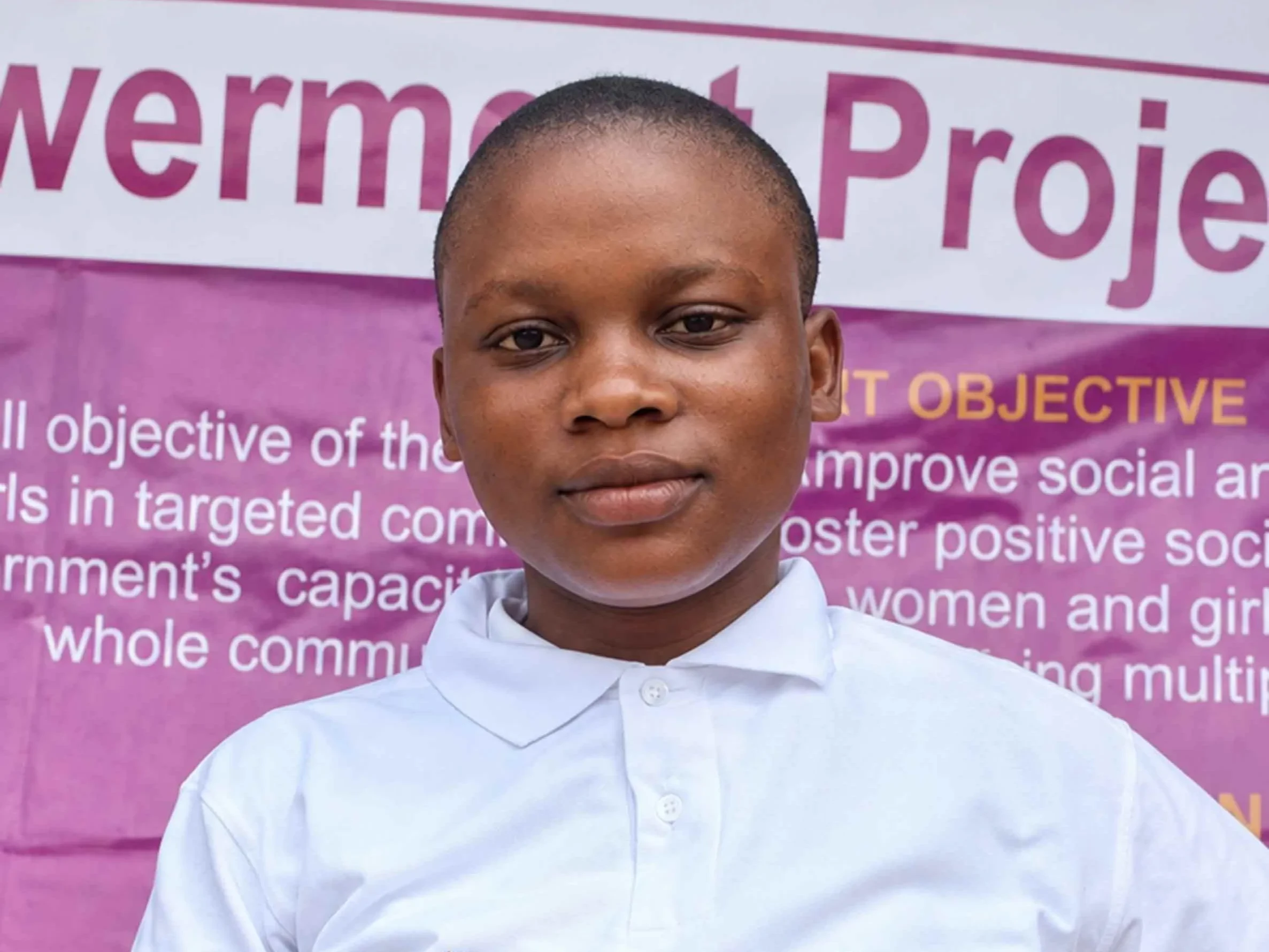
Achieving equality for girls – Lovetee’s story
“Many have been watching me, if I will continue with school,” says 17-year-old Lovetee in Liberia. “The support of the project renewed my zeal and love for education.”
When Lovetee’s parents died, staying in school became uncertain. Without financial support, her dream of becoming a doctor seemed increasingly out of reach.
In Liberia, poverty and gender inequality continue to limit opportunities for many girls, forcing some to leave school early. Through the Liberia Women Empowerment Project (LWEP), funded by the World Bank, we are working to change these realities for girls like Lovetee.
LWEP reaches almost 500 communities and around 267,000 women and girls, working with them to challenge social norms which hold girls back and strengthen prevention of gender-based violence. For Lovetee, school materials eased some financial pressure.
A youth-centred approach
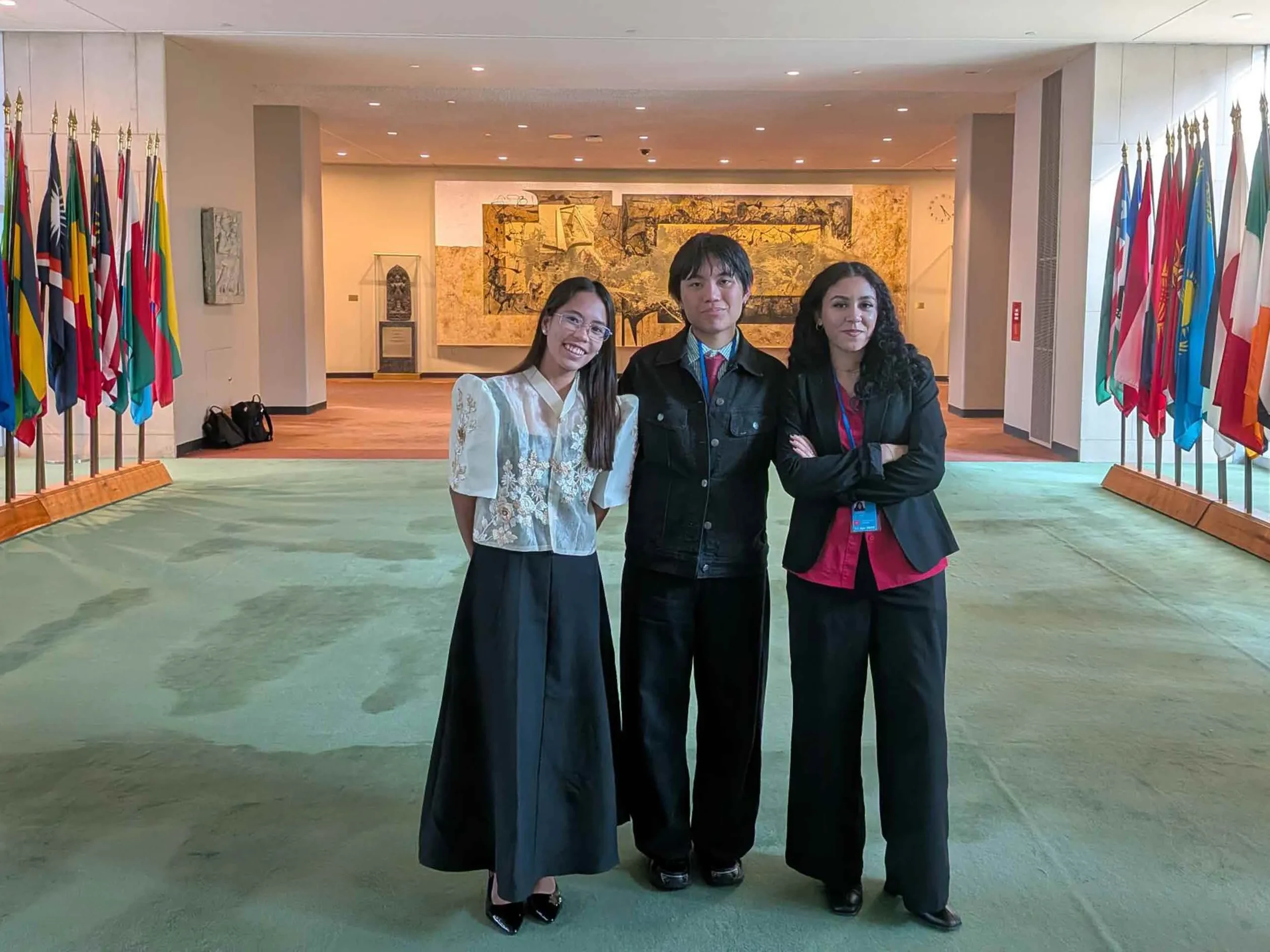
“What worries me most is not only losing rights but also losing hope,” says Theresa, 18, from the Philippines. It’s a fear shared by many, as progress on girls’ rights faces growing pushback around the world – but young advocates like Theresa aren’t waiting for permission to fight back.
Theresa was one of three youth advocates who travelled with Plan International to New York for the 59th Commission on Population and Development, joining UK advocates Aneurin and Neisha to put young people at the heart of global decision-making on girls’ rights.
“Attending the UN Commission on Population and Development reminded me that local experiences matter in global conversations,” Theresa says. “Young people bring perspectives that are often overlooked because we are already experiencing the consequences of today’s decisions, from climate change and digital transformation to changing labour markets and social inequalities. I hope leaders recognise that young people are not only future leaders, we are already contributing to our communities today.”
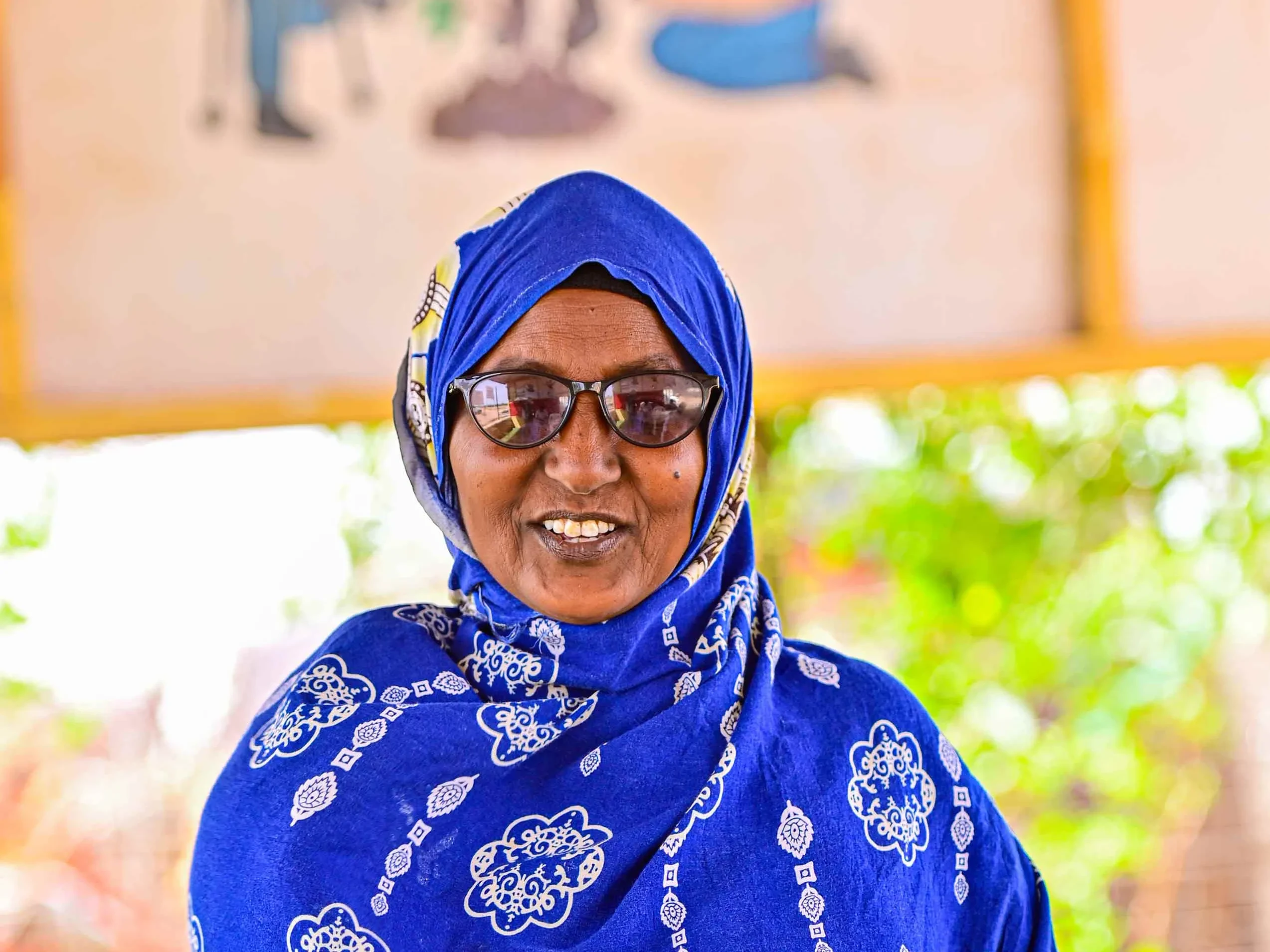
Responding to the climate crisis – Dulmar’s story
Dulmar, a mother of eight in Somaliland’s Togdheer region, watched her entire herd die of starvation as drought after drought tore through her community. Today, she grows tomatoes and onions in a greenhouse through our Resilient Futures in Somaliland programme, and her children are back in school.
“We were completely unfamiliar with greenhouse farming. Before this project, we felt forgotten, just waiting in lines for an emergency truck to bring us aid. This greenhouse has given us our independence back.”
“The money we make from selling our tomatoes and onions covers their school fees, books, and uniforms. They are inside a safe classroom learning every day, and their stress has disappeared.”
Since launching, the programme has raised over £300,000 and is supporting 18,150 people in the drought-affected Togdheer region with food security and child protection – helping families like Dulmar’s rebuild not just an income, but a future.
The power of collective action
Despite growing global uncertainty, this year demonstrated the power of collective action, purpose and persistence... Together, we are stronger, drawing on local expertise and partnership, shared learning and combined influence to create lasting change for and with girls and their communities.
— Rose Caldwell, CEO of Plan International UK
Thanks to our supporters
UK sponsors supported nearly 54,000 children and their communities.
campaigners in the UK stood with us to fight for equality for girls.
supporters generously donated to our work.
Delivering on our strategy
The way Plan International UK supports communities is changing. This is about staying true to our commitment to decolonise aid – including through Pledge for Change. We want to put more resources and decision-making power directly into the hands of the communities and partners who know their own priorities best. We call this locally led, globally connected.
Progress this year includes a ‘Reverse Call for Proposals’ in Zambia, which invited local organisations to bring forward their own ideas rather than respond to a funding call set by others. We also called on the FCDO to improve the way it funds local civil society organisations, and FCDO has since increased local funding, including £15 million for Sudanese organisations.
We’re scaling up our humanitarian impact to meet growing global needs caused by conflict, climate change and displacement. Girls in crises face heightened risks of violence and exploitation, so we’re working to strengthen how quickly and effectively we respond wherever we’re needed most.
This year, we continued to scale up our efforts to make sure girls in crisis aren’t forgotten. We deepened our focus on Sudan, three years into the conflict. We brought young Sudanese advocates face-to-face with UK Government representatives and humanitarian experts, with our Royal Patron, HRH The Duchess of Edinburgh, in the room to hear directly how the crisis is affecting girls. When an earthquake struck Venezuela in June, we moved quickly, playing a key role in the Disasters Emergency Committee (DEC) appeal.
Sadly, the funding environment remains challenging. In response, we’re strengthening our data, systems and use of impact evidence – including through new technologies like AI – to work more efficiently, and provide even better information to our donors about the impact of their support. Despite reduced Official Development Assistance funding, we successfully secured grants and contracts from key donors including FCDO, Education Cannot Wait, the European Commission, the World Bank, the Start Fund and UN agencies – funding that continues to power our development and humanitarian programmes.
In public fundraising, we piloted new approaches including share giving, which lets supporters donate stocks and shares tax-efficiently. In May, we launched The Fine Print, a bold new campaign exposing the “terms and conditions” girls face from birth. An estimated three million people across the UK saw the campaign, and 42% of people asked said the campaign increased their understanding of Plan International’s work.
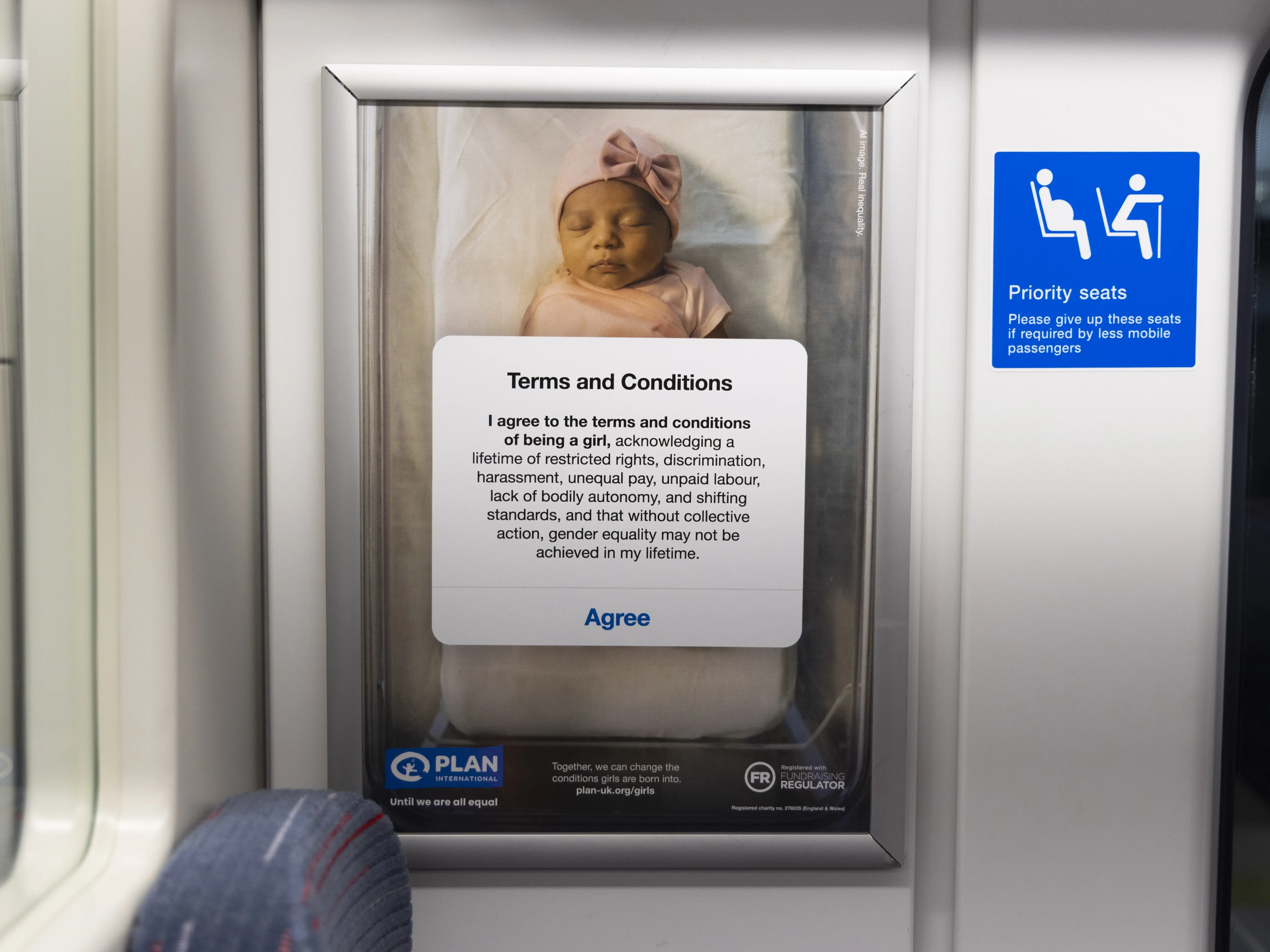
An estimated three million people across the UK saw our Fine Print campaign, raising awareness about the state of girls' rights worldwide.


