Young people's advice to staying safe online
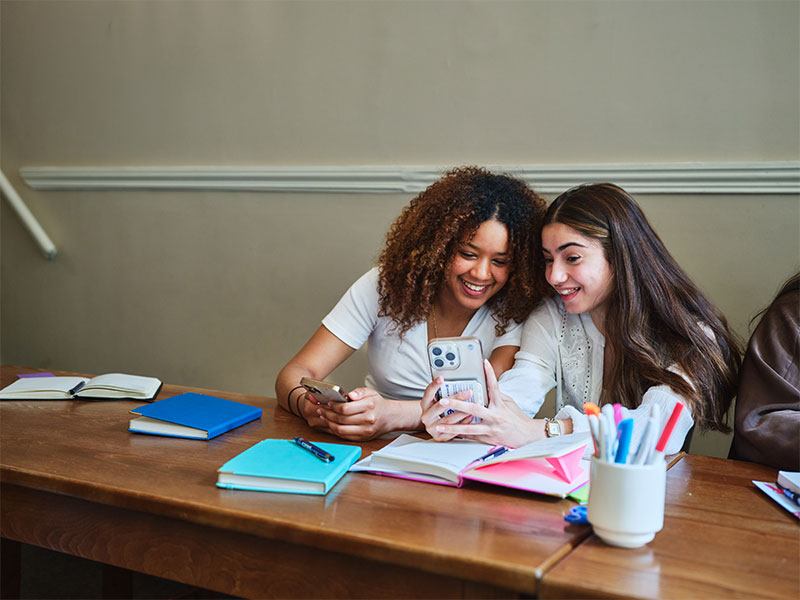
Social media has become a central part of childhood. It is where children connect with friends, explore interests, learn about the world and express themselves. The internet shapes young people's lives in countless ways.
But these platforms are not neutral. They are feeding young people misinformation, harmful content and unrealistic expectations.
Within minutes of logging on, girls and boys can be pushed into entirely different online worlds shaped by misogyny and toxic gender stereotypes, according to our research.
Five Youth Advisory Panel members, a group of young people who help shape our work and champion young people's voices, share their experiences of navigating the online world and top tips on how to stay safe online.
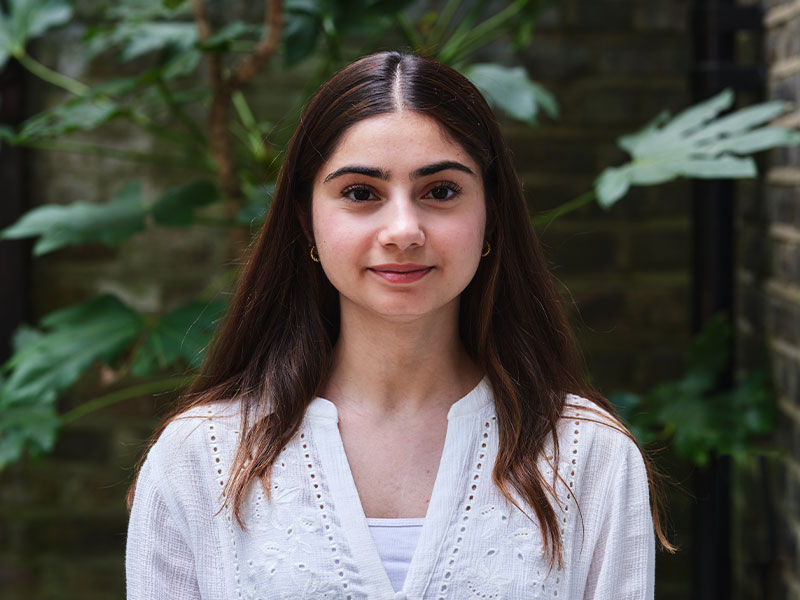
Ealaf, 18, London
"Try your best to follow people you trust and keep things as private as possible. This is the best way to keep yourself safe."
That's Ealaf's advice when it comes to navigating the online world.
“When I am looking at a piece of news or someone speaking about something, I always double check what's being said. For example, is this a trusted news page? What are their aims?
“Don't feed into the algorithm and protect yourself as best you can because we don't know how much we can trust social media sites to protect us.”
“Social media is a significant part of my everyday life. I'm constantly needing to be engaged in social media whether I like it or not. It feels like difficulties you face on social media are forced on you and part of what comes with using it.”
Ealaf says online content has influenced how she presents herself and made her more conscious of gendered expectations, both online and offline. Ealaf is not alone, 27% of children aged 7–17 had seen content online that stopped them from acting, dressing or behaving in a way they wanted. For girls, this rose to 32%.
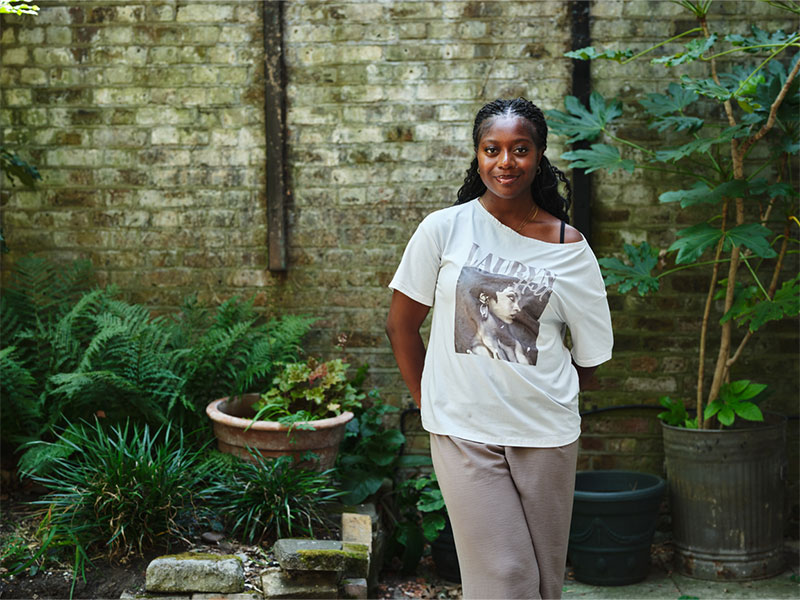
Edwina, 18, Manchester
After noticing how harmful and negative content on TikTok was shaping her outlook on the world, Edwina deliberately curated a more positive social media feed by creating a private TikTok account focused on 'hopecore' and inspiring content. She actively blocked harmful accounts and proactively searched for her interests to force the algorithm to favour the type of content she wanted to see.
“I'd advise other young people to really question what it is they are watching. I think when we don't question things, we're really susceptible and vulnerable to the damage that it can have.
“Create a private account where you have things that you really enjoy. Take time to be away from it and by stepping back, you can have conversations with real people too.
“Having a more positive algorithm made me realise that I don't have to look at the world as something that's completely broken and devastating, but as something that I have a personal contribution to. I can put my light out into the world and do things that make me and the people around me better."
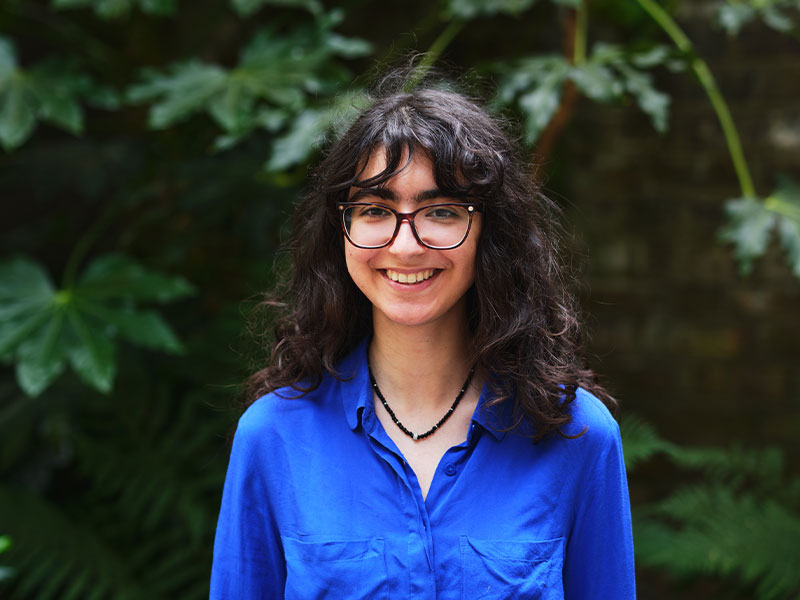
Neylia, 19, Hampshire
While social media helps young people stay connected, Neylia says it can also affect wellbeing and make it difficult to switch off:
“Sometimes when I use social media, I just feel so unproductive because, I’m just scrolling away, and my attention span is so gone. In this generation, everyone uses social media every single day, so if you don't have it, you're a bit out of the loop and left out.
“I think the biggest advice I have is to take breaks. Spend more time with people in real life, go outside, reconnect with nature, touch some grass, and just put your social media accounts on pause for a while.”
Harmful content often hides in plain sight
Harmful messages often appear disguised as memes, banter or self-improvement advice. For boys content promising to make them richer, stronger or more successful can reinforce narrow and damaging ideas about masculinity and instil misogyny.
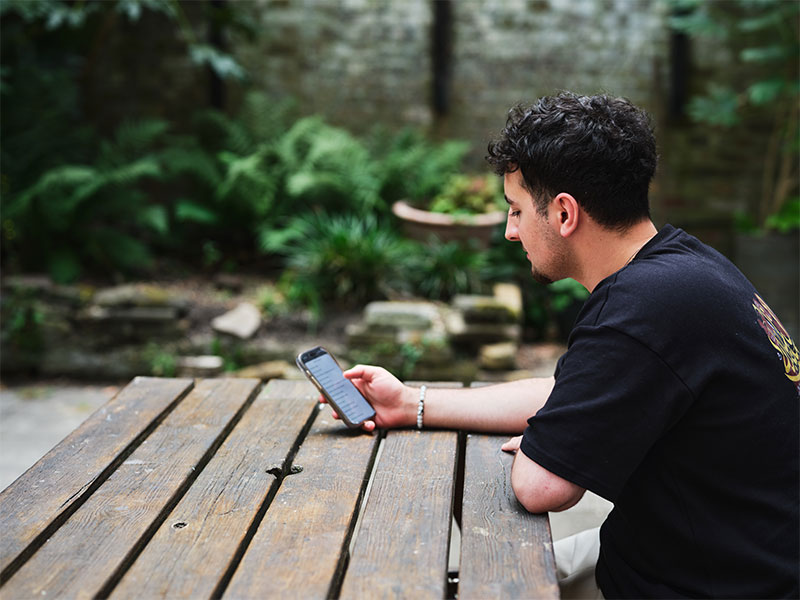
Ilyas, 19, Manchester
From as early as 13 years old, Ilyas encountered graphic and extreme content on social platform. The more time online, he witnessed how algorithms pushed misogynistic and extreme content to young people. Growing up online exposed him to both the benefits and dangers of social media.
"Gendered content is everywhere online. Even when I am not interested, the algorithm continues trying to push that [sexist] content. Many people absorb these messages without questioning them. It’s very easy to get sucked into it and brainwashed. It starts out as a joke and it becomes a lifestyle."
Ilyas' advice for young people: “Young people need people they can trust, maybe not parents but people older than them that they can look up to, like an older brother or sister. My brother has shown me content that was clearly not appropriate for his age. I tell him to block it, report it where possible, and always come to me if he is unsure.”
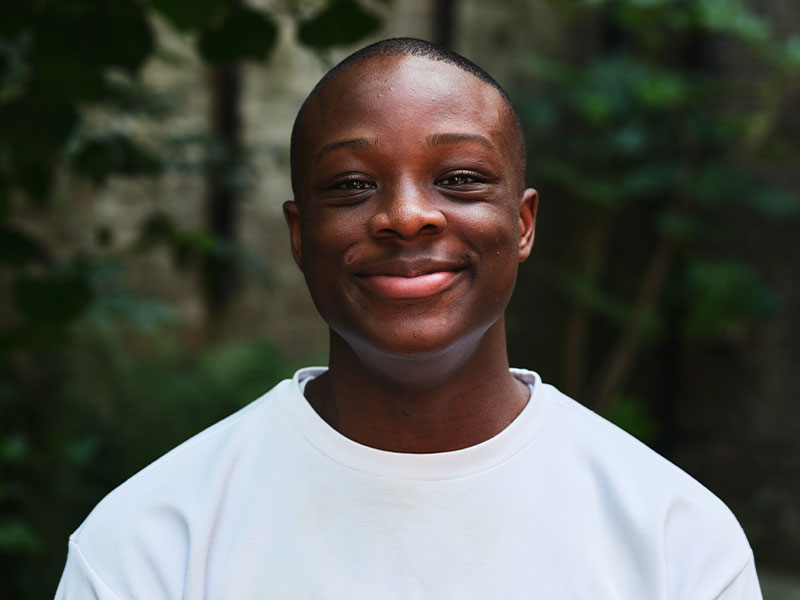
Daniel, 16, London
“It can be such a dangerous space, and when young people don't have the right tools to operate on social media. At 11, I thought following certain influencers was the key to success. Instead, their content made me feel insecure about who I was.
"There's a lot of stigma around boys talking about online harm. However, it exists in self-improvement content and with the development of the manosphere, so many young boys and girls are getting affected.”
Daniel’s advice for young people: “Don’t be scared because you are not alone. Millions of young people use social media every day. What's important is staying informed and being aware of the content you're consuming. I would encourage young people to develop their media literacy and learn how to recognise different types of harmful content and misinformation. The more confident and informed you are, the better equipped you'll be to navigate online spaces safely.”
Young people want online spaces where they can socialise, relax, create and explore who they are. Yet too often, algorithms push harmful content and profit from keeping young people scrolling.
Daniel says, “It shouldn't have to get to a point where so many young people have been impacted before companies recognise that content is harmful. Tech companies should recognise that they have a role to play in speaking out about harmful content on their platforms.”
Young people are sounding the alarm about what they're seeing online. Read our report, From Memes to Misogyny: The Gendered Content Harming Our Children on Social Media, to understand the impact of online harm and why urgent action is needed.