Girlhood: Terms and Conditions apply
Girls are born into unfair terms they never agreed to. But what are they and what can we do to change them?
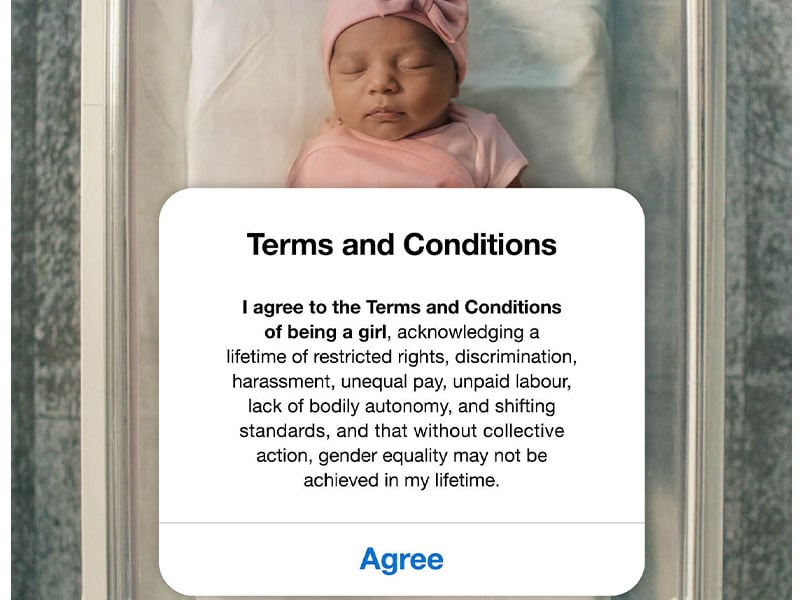
AI image. Real inequality. Watch this video to hear the full Terms and Conditions.
Every day, an estimated 177,000 girls are born – that's almost double the capacity of Wembley Stadium. Babies blissfully unaware about the world they’re entering – and the sprawling list of unfair ‘Terms and Conditions’ they unwittingly agree to.
Because while the world tells us girls are born equal, the reality looks quite different. Thanks to the patriarchy, girls and women continue to experience higher and more widespread discrimination than boys and men.
From the classroom to the street, from unpaid labour to shrinking bodily autonomy, this inequality reaches into all areas of a girls’ life and stays with her throughout. Limiting her rights, safety and opportunities.
And here’s the biggy: at the current rate of progress, girls won’t see gender equality achieved in their lifetime. In fact, it will take 123 years – unless we work together to change that.
Here’s how things really shape up for girls – and what we’re doing about it together.
[1] Discrimination and inequality
I understand that, from birth, I will face discrimination that limits my rights, safety and opportunities.
For girls, the unwelcome pair of discrimination and inequality can show up from birth. Happy birthday indeed.
If a girl is born to a disappointed parent who wanted a son, she may be treated differently from her very first days. Globally girls disproportionately receive less nutrition, less stimulation, and fewer early learning opportunities than boys.
As girls reach adolescence, gender inequality deepens. The start of puberty is often seen as a signal for restricting girls’ movement, schooling, friendships and sexuality – cementing expected gender roles shaped by harmful norms.
And this discrimination never really leaves. Clinging to women across their lives. Pay gaps. Pain gaps. The motherhood penalty. And the risk of sexual violence.
Change the conditions: Plan International stands with girls in over 80 countries and is working to improve the lives of 200 million girls by 2027. At the heart of this work is bringing about greater gender equality. Last year this included training over 600,000 community members in gender equality and securing 272 influencing successes – ranging from changes to laws to changes in attitudes of key decision makers.
[2] Education
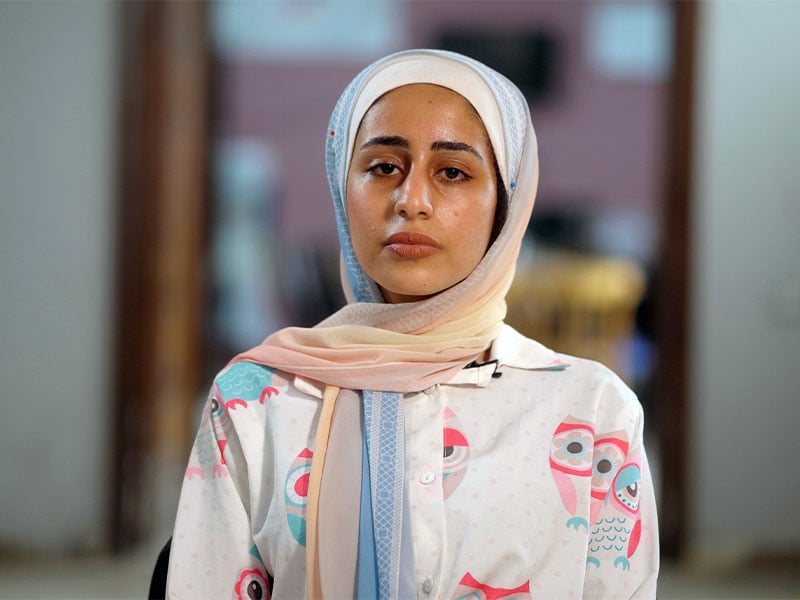
I acknowledge that my education may be limited by bias, expectations, or may not be accessible at all.
Education is a right for all girls. It’s also a powerful tool to transform lives and communities – reducing child marriage rates, boosting wages, promoting heathier families and creating female leaders.
Yet 122 million girls are out of school globally. And almost 4 in 10 girls and young women do not finish school. The education gap between girls and boys is closing. But in countries where families are forced to make impossible choices to survive, it's girls who usually lose out.
Where girls do go to school, bias and expectations in the classroom still shape their aspirations. Classroom dynamics and a lack of female role models may also limit girls’ confidence to pursue what they love – showing that access alone does not guarantee equal opportunity.
Change the conditions: Last year Plan International helped over 5 million girls receive better access to education, including training 42,000 teachers and school staff across 27 countries.
[3] Economic inequality and unpaid labour
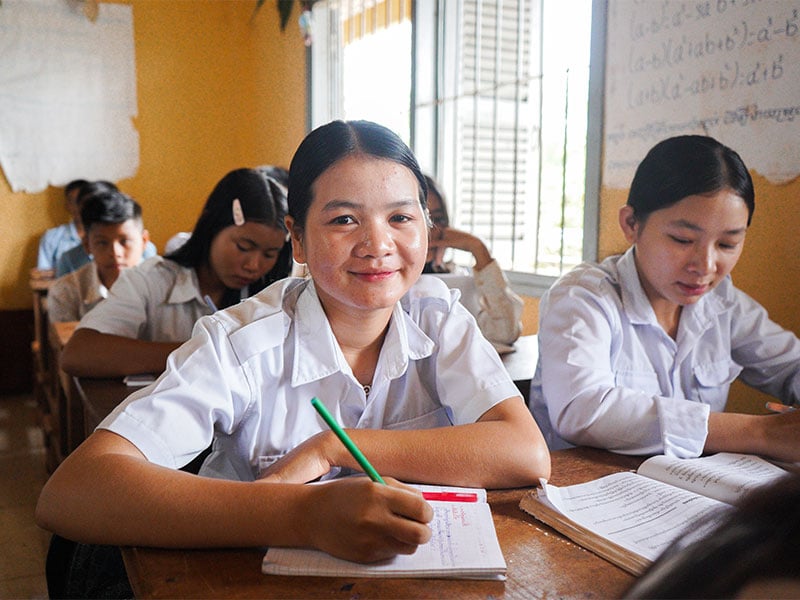
I accept that, no matter how hard I work, I will be paid less, held back, and expected to carry a disproportionate share of unpaid care and domestic labour.
Girls all over the world face greater barriers when it comes to secure, well-paid work. That’s because they’re more likely to be pulled from school due to poverty or crisis, forced to marry young, have children young, or expected to spend more of their time doing unpaid care and domestic work. Did you know that girls and women spend more than 2.5 times as many hours a day on unpaid care work than boys and men?
These disparities are baked into the fine print – preventing girls from fully realising their rights and opportunities.
For women who do work, the gender pay gap is still a problem. Worldwide, women earn about 20% less than men on average.
Change the conditions: Last year 95% of young women helped through six economic empowerment projects run by Plan International secured waged employment within six months of completion.
[4] Safety and violence
I understand that I will be exposed to harassment and violence, and that my personal safety will be treated as my responsibility.
Violence against girls and women is widespread and persistent. Globally, one in five girls and women experienced sexual violence in childhood – that's 650 million.
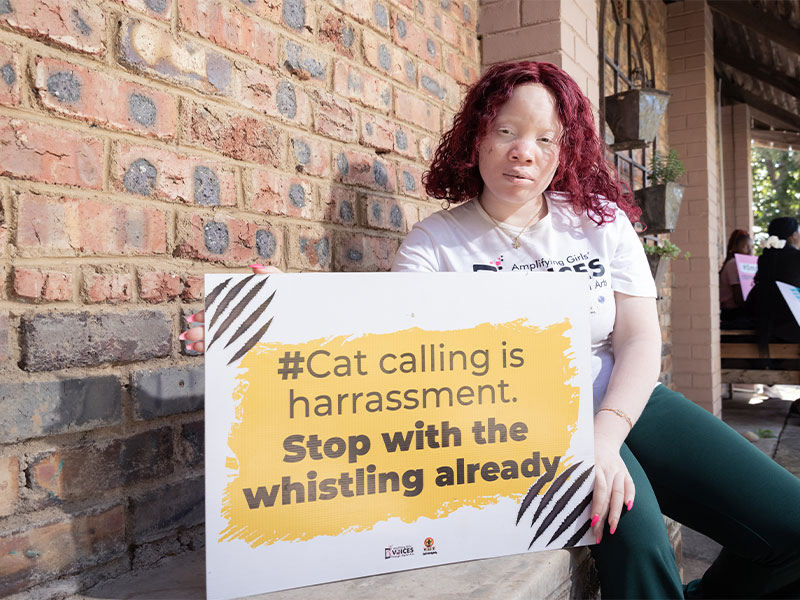
Public sexual harassment is also common. In the UK, 75% of girls have experienced it in their lifetime. What’s more, girls are taught that safety is their responsibility – from how they dress to where they go.
Violence affects girls and women worldwide. But it’s most prevalent in places affected by poverty, conflict and climate change – such as Sudan, Gaza and Haiti.
Change the conditions: Last year Plan International supported almost 24,000 survivors of gender-based violence in 17 countries. And in the UK, we pushed for the roll out of a new law after years of lobbying alongside others, to help protect girls from public sexual harassment.
[5] Bodily autonomy and rights
I recognise that my body, choices, and freedoms will be debated, restricted, and decided by others.
Bodily autonomy is the right to make informed choices about your own body, health, and life – free from coercion, shame, or punishment.
In reality, girls’ bodies and freedoms continue to be judged, debated, restricted and decided by others. From body shaming to banning sex and relationships education to the scrapping of abortion laws.
Nearly half of all women worldwide cannot freely make their own decisions about sex, contraception, and seeking healthcare.
These rights are essential for girls to make the best choices for their lives. But right now, they’re not just being questioned – they're being actively dismantled. We say hands off.
Change the conditions: Last year Plan International reached 3.5 million girls with support around their sexual and reproductive health and rights. More recently we helped three youth advocates travel to an important conference in New York and use their voice to help protect girls’ rights.
[6] Harmful practices and life
I acknowledge that, depending on where I am born, I may face increased risks such as child marriage, permanently affecting my health, autonomy, and future.
Gender inequality is a shared experience for girls worldwide. But some face increased risks. This includes harmful practices like child marriage and female genital mutilation/cutting (FGM/C).
One in five girls is married before age 18 worldwide – the prevalence among boys is just one-sixth of that.
And despite the practice of FGM/C being illegal in many countries, in some places it remains common due to long-held beliefs linking it to marriageability. Globally more than 230 million women and girls live with its consequences.
Both child marriage and FGM/C violate girls’ and women’s rights, attempt to control female sexuality and choice, and cause lifelong harm.
Change the conditions: Last year Plan International reached over 1 million people with awareness-raising activities about the risks and harms of child marriages in 13 countries.
Changing the conditions girls are born into
I understand that, at the current pace, girls like me will not see gender equality in our lifetime unless we act together to change it.
The world may be getting comfortable with gender inequality. Thinking things are ‘good enough’ for girls. Watching rollbacks on reproductive rights and the spread of misogynist movements without blinking. Girls aren’t. And neither are we.
Last year working with over 26,000 partners, Plan International supported and strengthened almost 3,000 youth-led organisations in 26 countries and witnessed over 64,000 communities benefitting from our work.
Girls who’ve grown up supported by Plan International are now becoming educators, leaders and changemakers in their own right – joining generations who have fought to rewrite the terms with and for girls.
We celebrate that. But equality is – quite clearly – unfinished business. The plan is still on to close that 123-year gap, until we are all equal. Will you stand with us?
Sign up to receive updates on how to take action or make a donation and help strengthen a global movement that refuses to turn back.