Top tips for teaching children about gender equality
How you can create a safer and fairer world for girls by teaching the children in your life about gender equality.

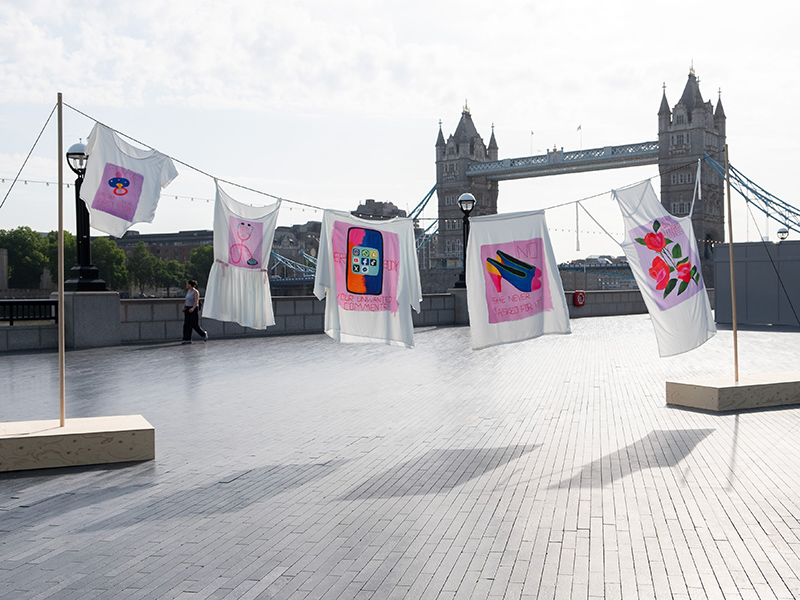
‘Big boys don’t cry.’ ‘No one likes a bossy girl.’ Just some of the everyday phrases we hear that show how gender inequality is still stitched into the fabric of our lives. Little ears hear these phrases too – absorbing these stereotypes and what society expects of them from a young age.
While gender inequality hurts us all, girls still experience higher and more widespread discrimination than boys – something that clings to them throughout their life, accelerating through adolescence.
And yet, while our research shows nearly two thirds of parents in the UK are concerned about raising a daughter in today’s climate, around 42% have never spoken to their children about gender equality.
Without challenging what children are picking up around them, unfair ideas can take root and allow inequality to continue across generations. In an age where children are increasingly online – and social media algorithms can amplify harmful content – these conversations are more important than ever. To break the cycle of inequality and change the conditions for girls – for all.
So here are four top tips for teaching children about gender equality.
1. Focus language on fairness
Discrimination. Prejudice. Stereotypes. The language of gender inequality isn’t particularly accessible for kids, is it?
But children do understand the concept of fairness from a young age – so start there.
When they make gendered comments, stay curious and ask them if they think it’s fair. You can also ask them how they would feel if the situation were reversed.
For example, if they say, “That toy is only for boys,” you could follow up with “Do you think it’s fair that girls can’t play with that toy too?” or “How would you feel if you couldn’t play with that toy?”
These gentle questions help children recognise unfair treatment and build empathy.
Also notice the language you use and whether you’re unintentionally reinforcing stereotypes too.
2. Create space to talk
Talking is one of the most effective ways children learn – but they need to feel safe enough to share their thoughts openly.
Avoid formal ‘big talks’ and instead weave conversations on gender equality into everyday moments to keep things relaxed – from car journeys to bedtime.
You can use examples from things they may have seen and heard, like on TV or at school, to prompt discussion.
When they speak, don’t rush to correct them. Be curious, listen and ask open-ended questions.
3. Encourage individuality
Support children to explore who they are based on their own interests – rather than contained to what a boy or girl ‘should’ do.
So if they love football, nurture that because they love it. Or when giving gifts, pick things based on their interests without judgement.
You can also introduce them to a diverse range of role models – thinkers, artists, athletes, and characters – so they see many different ways of being and succeeding.
4. Ask about online content
Older children are increasingly learning about the world online, especially through social media. But this content is often unfiltered or misleading, which can lead to unrealistic or one-sided ideas.
Speaking to children about what they see online helps them question harmful content and see the bigger picture.
Remind children that there may be different sides to a story. Teach them about bias and how this might influence content. And encourage them to consider that some things online won’t be true. Engage their critical thinking.
Change the conditions
Children notice from a young age that boys and girls are treated differently – sometimes unfairly. For girls, this unfairness is something they unwittingly subscribe to for life. Hidden ‘Terms & Conditions’ they’re forced to accept from birth.
Our recent survey of young women in the UK aged 16-24 showed:
- 1 in 5 say that growing up as a girl they have felt expected to lower their ambitions.
- 67% have experienced unwanted physical or sexual harassment.
- 87% have received unwanted comments about their appearance (eg, catcalling).
- And more than 1 in 5 think gender equality will never be achieved.
But this isn’t inevitable. Plan International is changing the conditions for girls around the world. From community-led programmes to successful campaigns strengthening protections for girls.
You can be part of change too. By helping the children in your world to understand fairness, stay curious and build confidence in their own identity and choices – creating a more equal future for everyone.
Sign up to receive updates about changing the conditions for girls.