Rewriting the terms of girlhood in Sierra Leone
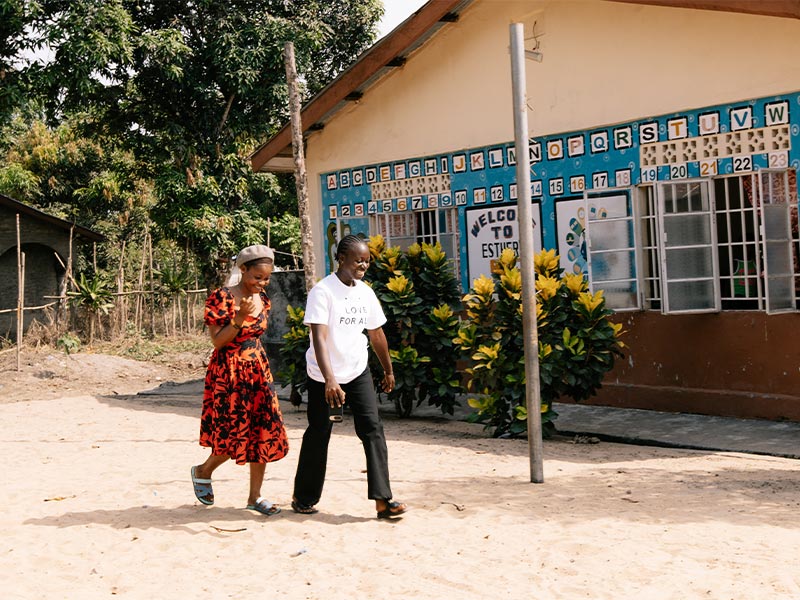
Of all the unfair terms girls are born into, perhaps few cut deeper than the clause that says her body isn't hers to decide about. Whether she can access contraception. Get honest information about sex and consent. Or decide her own future.
For girls in Tonkolili District, Sierra Leone, those choices have often been shaped by silence, stigma and expectations passed down through generations.
But that story is being rewritten.
At an adolescent-friendly centre (AFC) supported by Plan International, girls can walk in and ask the questions no one else will answer. It's a safe space, health centre and social hub in one, where young people can access sexual and reproductive health services, build life skills and gain the confidence to make informed decisions about their futures.
For many girls, it's the only place like it.
And the impact reaches far beyond the centre's walls. Because changing the conditions girls are born into takes more than one safe space. It takes families, schools, faith leaders and communities willing to back girls and their choices.
"What they teach me here, I pass on"
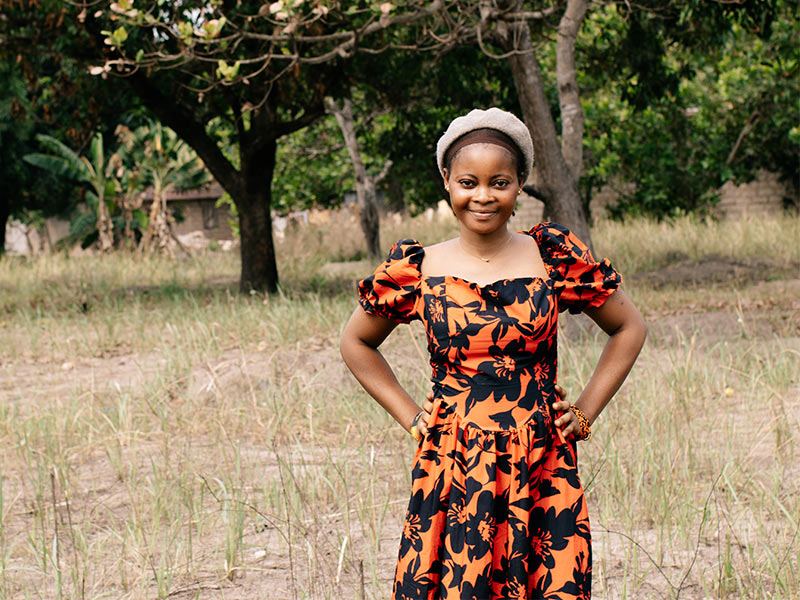
Fatmata, 19, is one of many young people using the centre to access information, support and guidance:
"I found out about the adolescent-friendly Centre (AFC) from listening to the radio. Since my first day coming to the centre, I have learned that all teenagers need consent in everything they do. My body is mine. I have also learned about family planning. And I’ve learned how to take care of myself when I’m on my period. So, there are lots of things that I’ve learned here. What they teach me here, I pass on."
Consent. Menstrual health. STIs. Family planning. Child marriage. These are the conversations that bring young people through the centre's doors. Conversations that are often left unspoken at home, in school or elsewhere in the community.
Across Tonkolili, many young people have limited access to reliable information about sexual and reproductive health and rights. At the AFC, they're encouraged to ask questions, challenge myths and access support without fear of judgement.
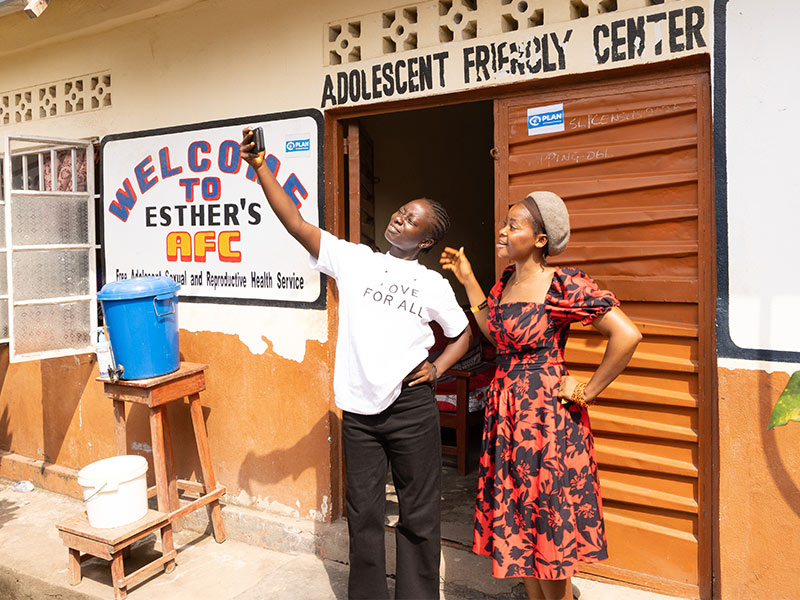
For Mamah, 21, that makes the centre an important lifeline for girls:
"If this centre didn't exist, it would be a problem for girls. Most parents don't have time to sit with their daughters and tell them what to avoid. Not having this centre would lead to more girls dropping out of school, getting pregnant at an early age, forced into early marriage, not knowing their rights, when to say no and when to give consent."
But Mamah believes the impact extends beyond girls alone:
"I have noticed that boys visit here too, and I also know that the education they get changes how they treat girls."
And she's not wrong.
A generation growing up differently
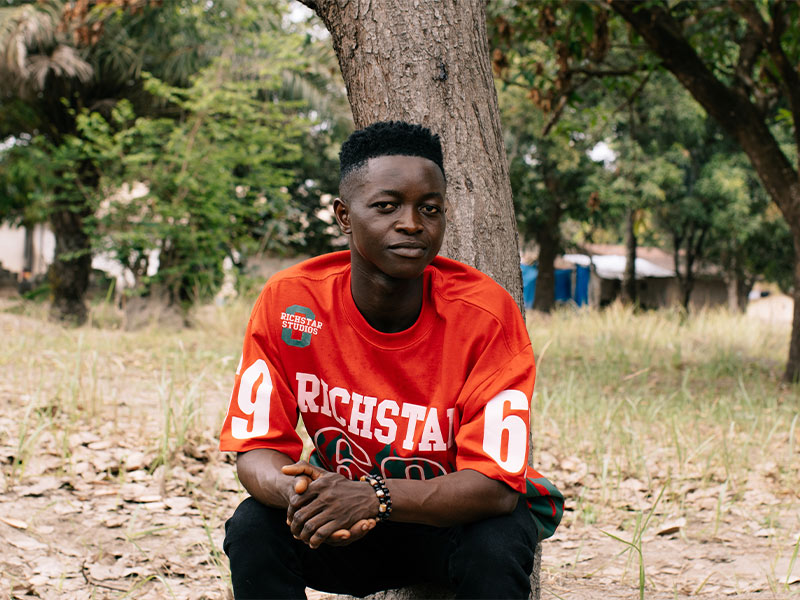
Boys are learning at the centre too, growing up with information and opportunities that previous generations never had.
Idrissa, 21, says access to the centre has changed the way he thinks about his health, relationships and future:
"Since I started coming here, a lot of things have changed. At the centre, we are being taught about sexual and reproductive health. It creates the awareness about prevention. The things I am learning from this centre is helping me greatly and has made a difference in my life. The knowledge I have is different from my parents and grandparents. When they were informed that we have this centre, they were so happy."
Idrissa's experience reflects something bigger than individual behaviour change. Across the community, a new generation is growing up with knowledge, confidence and choices that their parents and grandparents often didn't have.
And older generations are noticing the difference too.
"When I was growing up, things were very different"
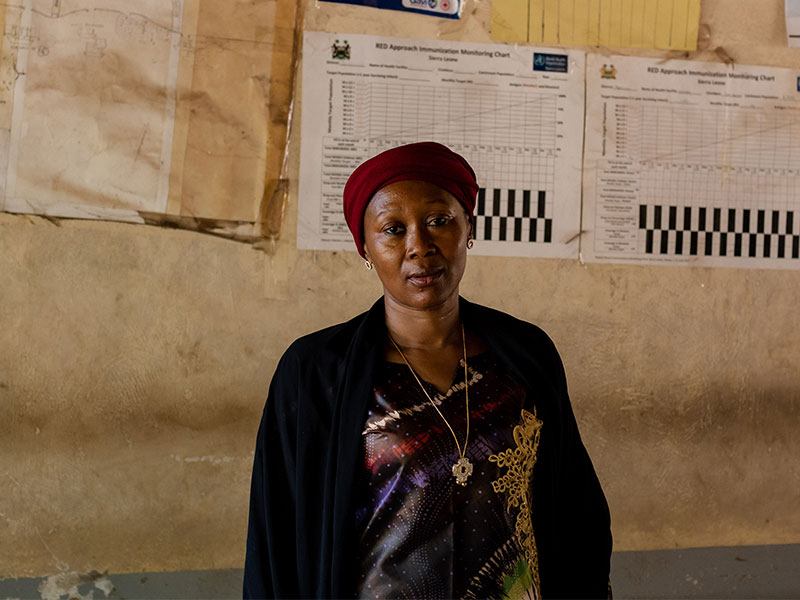
Mariatu is a headteacher and Parent Champion supporting the project. Having grown up in the same community, she's witnessed firsthand how attitudes and opportunities have changed over time:
"When I was growing up, things were very different. We did not have centres where we could talk openly about sexual and reproductive health or people that would direct us. Parents did not speak about these issues because they were considered taboo."
Today, she sees a different reality taking shape:
"Today's young people are lucky because they have access to information, advice and services that we did not have."
And the changes extend beyond access to information:
"Back in those days they did not see girls' education as important, they only saw boys' education as important. Now everywhere you go, you see girls learning and women heading intuitions.”
Changing minds beyond the centre
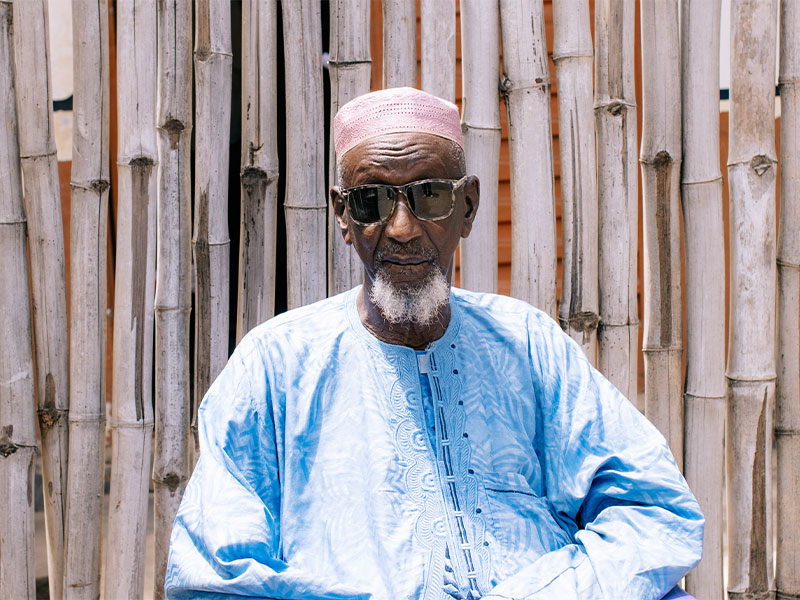
Changing the conditions girls grow up in takes more than one building. It takes trusted voices across the community standing up for girls' rights and challenging harmful norms.
That's why this project works closely with religious and community leaders.
Chief Imam Sheik Ibrahim has become a strong advocate for the centre and regularly encourages adolescents to use its services:
"Long ago, there was high teenage pregnancy among adolescents. Most times, their parents were not comfortable talking to them about these issues."
For faith leaders like Imam Ibrahim, open conversations about sexual and reproductive health are helping to challenge issues that were once surrounded by silence:
"I have been referring adolescents to the centre, which has helped keep many girls in school."
Religious leaders are particularly well placed to tackle misinformation and encourage open conversations around topics that have traditionally been considered taboo.
Community organisations are helping drive that change too.
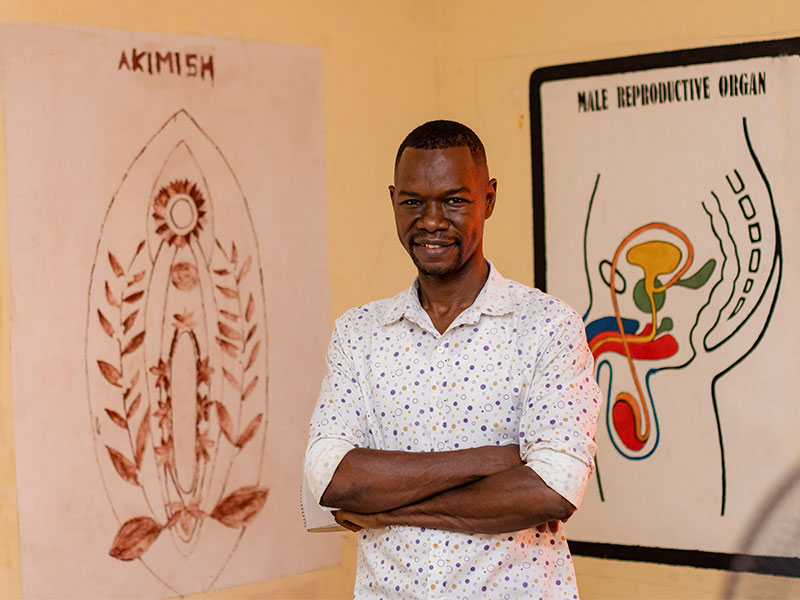
Ibrahim Kargbo, founder of Girls Elevating Society, works alongside schools, families and community groups to promote girls' rights and gender equality.
"What we are doing with the boys is telling them about gender equality. That there is no specific role for boys and there is no specific role for girls. They need to understand this."
It's a vision rooted in equality, and one he believes starts with changing expectations of both girls and boys.
"For me, I want to see a community that is safe for girls. This is what drives us. A community where girls feel safe to live and a society which allows girls to make decisions about their health and their body. A society which gives girls the right to make their choice. For example, girls will choose to go to school instead of marry. This is the kind of society I want to see."
The plan is still on
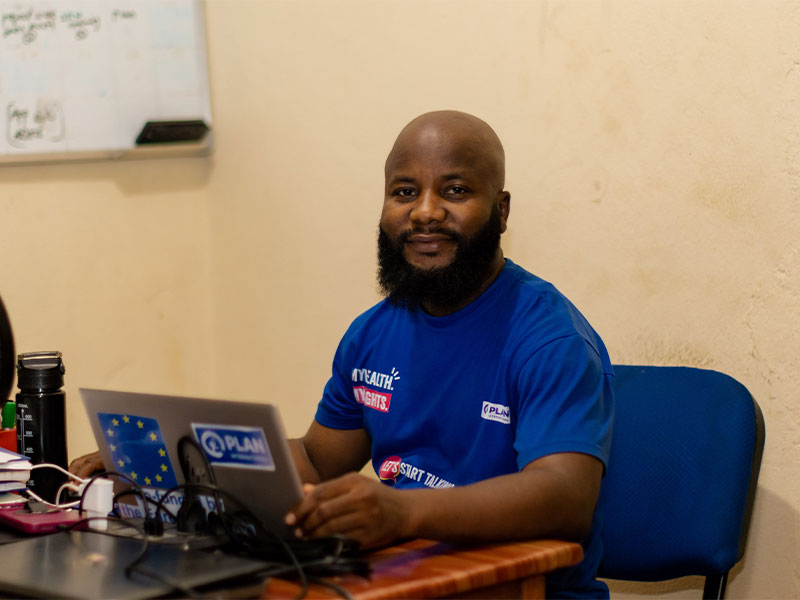
For many girls in Tonkolili, the AFC is a lifeline. That's progress. But progress isn't permanent.
Abdulai Tunkara, a Facility Officer at the AFC, knows how fragile it is:
"What if we reach a point where there is no funding or support to run free family planning and free STI treatment? What would be the fate of the adolescents?"
As funding becomes harder to secure and girls' rights face growing pressure globally, it's a question that matters far beyond Tonkolili. Protecting services like these takes continued commitment and investment.
Every day, girls walk through the AFC's doors looking for answers, support, or simply somewhere they can speak openly. And every day, with parents, teachers, faith leaders and communities behind them, the centre shows girls that decisions about their bodies belong to them.
You can help change the conditions girls are born into too.
Join Plan International UK and together we can change the conditions girls are born into. Until we are all equal.