Emergencies
Responding to emergencies so no child faces crisis alone, with a focus on girls and those most at risk.
Responding to emergencies so no child faces crisis alone, with a focus on girls and those most at risk.

Conflict, climate-related disasters and being forced to flee. These sorts of emergencies turn children’s lives upside down. Their school, their home and their safety net may all be gone, sometimes in an instant.
And right now, this is happening too often. One in every four children is living in a country affected by conflict or disaster. This adds up to millions of children all over the world.
In emergencies, children face a greater risk of violence, exploitation, lost education and hunger. Girls are often the worst affected.
When emergencies can’t be averted, what matters is no child faces crisis alone. That they are protected from these risks.
From the humanitarian emergency in the Middle East to the global hunger crisis, the Plan International network is there. Together with communities, we’re responding to the most pressing emergencies. You can be there too.
EMERGENCY APPEALS
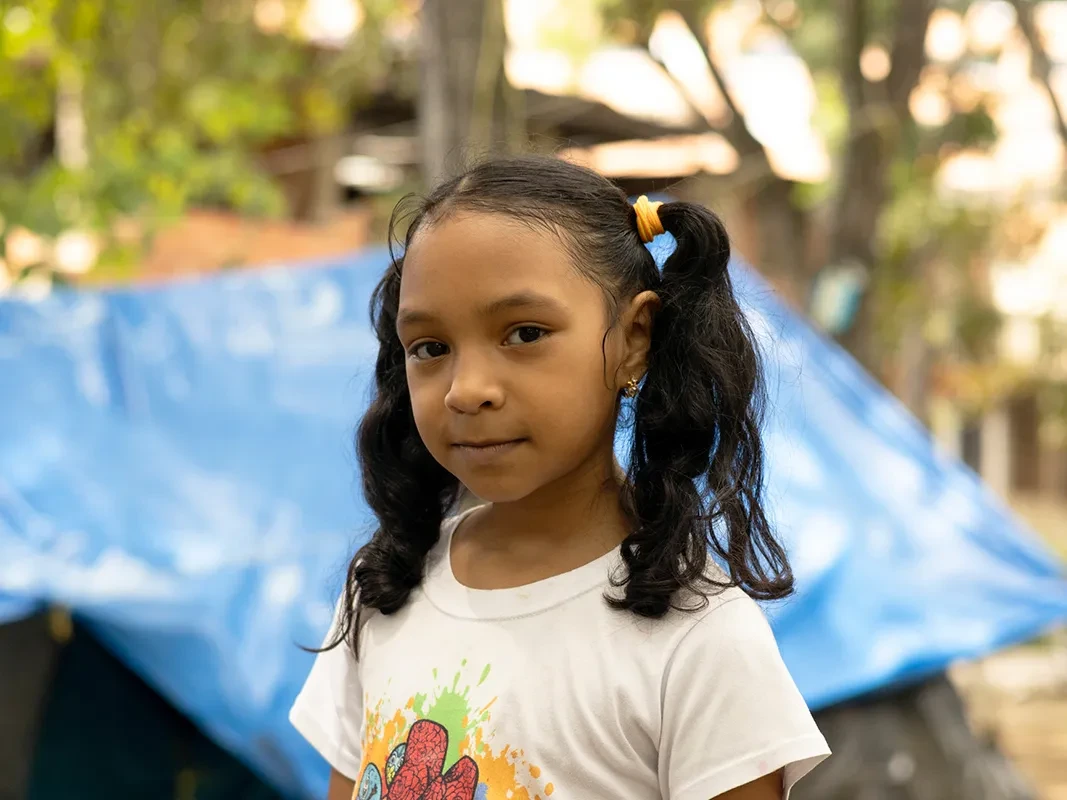
Venezuela Earthquake Appeal
Girls and their communities in Venezuela urgently need help after two devastating earthquakes hit a minute apart.
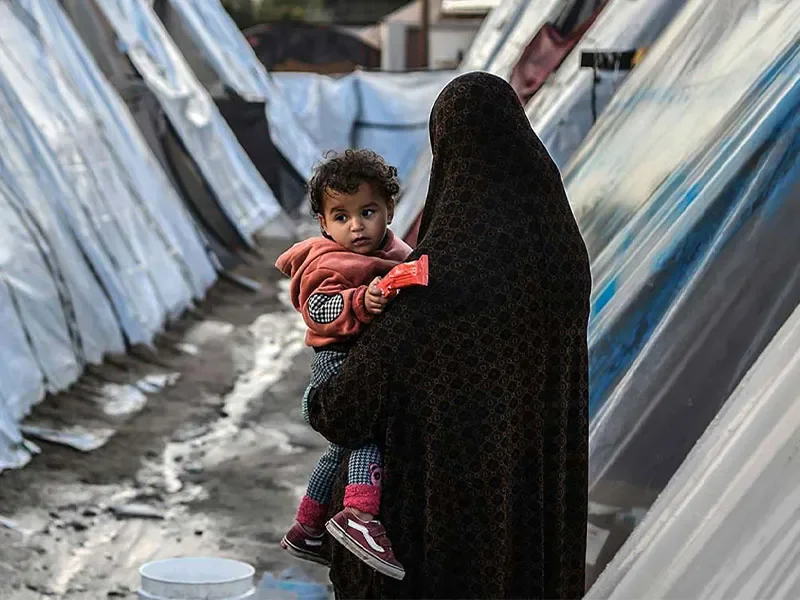
Gaza - Middle East Appeal
Escalating tensions across the Middle East are putting children in grave danger. Help us reach them with life-saving support.
Children's Emergency Fund
Our fund helps us to respond quickly to any emergency so no child faces crisis alone.
Sofiana’s story
Insecurity and climate change have created a humanitarian crisis in Haiti. Nearly 90% of Haitians live below the poverty line – like 13-year-old Sofiana:
"I sometimes find it difficult to buy sanitary pads as I don’t have enough money. When I can't afford to buy the supplies, I use pieces of old clothes instead.
“I believe the crisis has had a greater impact on girls. Some girls are seeking out men in order to survive. Some become pregnant.”
A workshop on sexual and reproductive health provided Sofiana with some support. She also received a menstrual hygiene kit, backpack and notebooks for school.
But there is much more to do for young girls like Sofiana living in some of the toughest circumstances.
EMERGENCIES EXPLAINED
The number of children and young people facing crisis is rising. But why?
Lots of different emergencies have overlapped to create complex crises all over the world. These crises create a lot of need but are difficult to respond to.
Some of these have existed for many years. Like the Syrian refugee crisis. Others have emerged more recently. Like the war in Ukraine.
Alongside these, the world experienced the Covid-19 pandemic, and the devastating impact of climate change continues to grow.
These emergencies overlap and intersect. Like how the drought in East Africa coupled with rising food prices has created a hunger crisis. And how this situation is worse for children who are living in refugee camps or areas of conflict.
In short, it’s complicated. What’s clear is that our world is increasingly interconnected. Events in one place can be felt in another – places which don’t necessarily have the resilience or safety nets to cope.
In an emergency, it’s all about the right humanitarian support at the right time.
First, it’s often immediate survival needs that are most important: water, food and shelter. Hygiene and sanitation are also critical to prevent the spread of disease, so items like soap, buckets and water purification tablets. Dignity kits with period products are also important.
Alongside this, cash or vouchers help families buy exactly what else they need most.
For children, they need safe spaces. Ones where they can get emotional support. They also need safe places to study so they can keep learning.
Our approach is tailored to what children need most, with a focus on girls. In unequal societies, they’re the ones who often feel the brunt of emergencies and are at greatest risk of harm.
Your support ensures our community-based response teams can meet the unique needs of children in crisis.
Preparing in advance for emergencies is also a key area, so that when crises strike communities are better placed to respond.
It is a challenge to reach children in emergencies with the support they need, on the scale that is needed. But to truly advance children’s rights and equality for girls, we must continue to up our efforts.
We’re doing all we can to reach those affected by emergencies right now, like the global hunger crisis and violence in Sudan. And we’re working closely with our different networks to coordinate impact, such as through the Disaster’s Emergency Committee (DEC) in response to the war in Ukraine.
Important work is also happening behind the scenes to garner more action from the global community – often driven by young people themselves.
Take our globally represented Youth For Education in Emergencies (Youth4EiE) panel. They’re standing with the 222 million children living in emergencies that need access to quality education.
You can play a vital role too. Not only by donating to our emergency appeals, but by spreading the word.
The global hunger crisis especially needs more voices to build the political will and funding that’s needed to avert catastrophe. Perhaps start by reading and sharing this blog?
The climate crisis
The climate crisis is putting girls’ rights in danger.
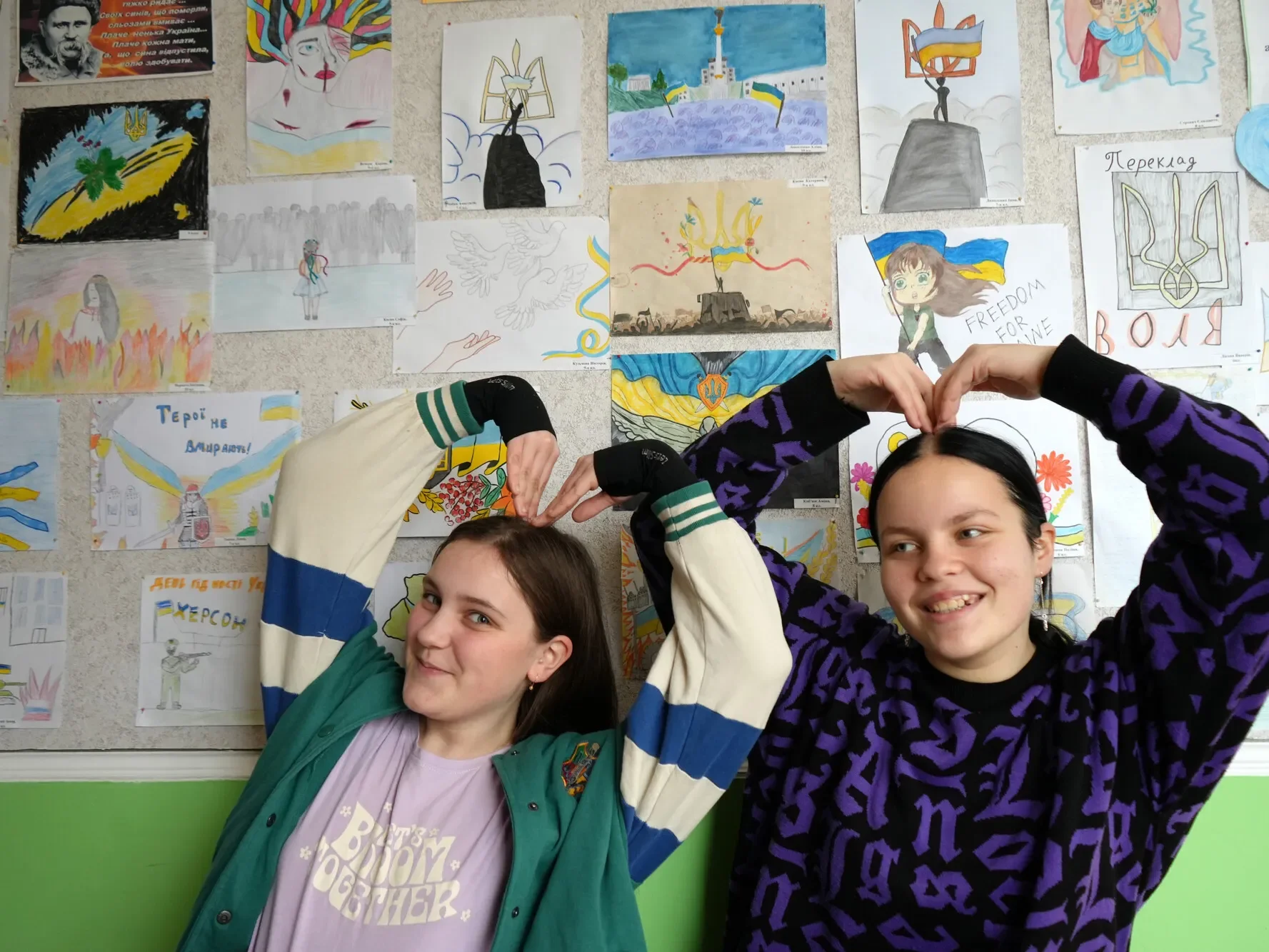
Solidarity with Ukraine
Your solidarity and generosity towards the children and young people of Ukraine through our Ukraine conflict: Children's Appeal has made a big difference – especially to their education.
In Romania, a distribution of tablets helped children who had fled the conflict keep learning online. And in Ukraine, getting damaged schools up and ready again allowed young people to return to face-to face learning – like 15-year-old Nastya.
“Before I came back to school in person, it was very difficult to study online. At times we got confused because we had to learn on our own. For me, getting back to school meant getting some normalcy back in my life."
During emergencies the right to education is most at-risk. But it is also the exact time when it is needed the most. The Youth For Education in Emergencies (Youth4EiE) panel supported by Plan International are working hard to put education in emergencies on the agenda of world leaders.